
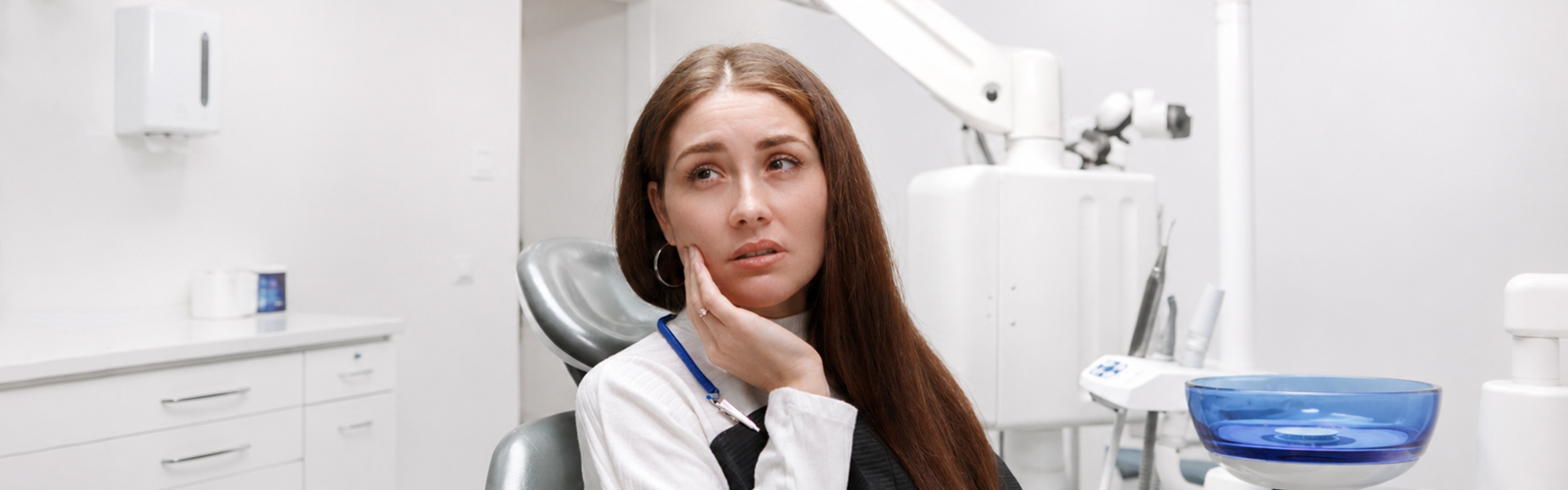
What to Do in a Dental Emergency in Spring, TX
A sudden toothache, injury, or damaged restoration can quickly turn into a bigger concern if it isn’t addressed promptly.
Key points:
- Severe tooth pain may indicate infection or nerve damage.
- Getting dental care quickly can improve the likelihood of preserving a tooth that has been knocked out.
- Broken teeth, abscesses, and soft tissue injuries should not be ignored.
- Knowing what to do before professional care can protect your oral health.
- Some situations require a dentist, while others may need emergency medical care.
When a Dental Problem Becomes an Emergency
One moment, everything feels normal. The next time you’re dealing with intense tooth pain, a crown that suddenly comes loose during dinner, or a sports injury that knocks out a tooth.
Any oral health problem causing severe pain, bleeding, swelling, or risks damage to a tooth may be considered a dental emergency. When visiting an emergency dentist in Spring, TX, timely treatment can make a meaningful difference.
The American Dental Association emphasizes that prompt dental care can improve the likelihood of saving a tooth and may help avoid more extensive treatment later.
Most Common Dental Emergencies That Need Immediate Care
Many situations may require professional attention the same day, including:
- Severe toothaches
- Cracked or fractured teeth
- Knocked-out teeth
- Lost fillings or crowns
- Dental abscesses
- Bleeding from oral injuries
- Swelling affecting the face or gums
These conditions frequently qualify for same-day emergency dental care because delays can worsen symptoms or lead to infection.

What to Do During Common Dental Emergencies
Severe Toothache
Persistent pain may indicate an underlying problem such as decay, infection, inflammation, or damage to the tooth’s nerve.
Steps to take:
- First, carefully rinse your mouth with warm water.
- Use dental floss gently around the area to clear away any debris that may be lodged between the teeth.
- Apply a cold compress to the outside of the cheek if swelling is present.
- Contact a dental office for professional tooth pain treatment.
Avoid placing aspirin directly against the gums, as it may irritate soft tissue.
Knocked-Out Tooth
A knocked-out permanent tooth requires immediate action.
- Pick up the tooth by the crown only.
- Rinse gently if dirty.
- Do not scrub or remove attached tissue.
- Place it in milk or a tooth-preservation solution.
- Seek care immediately.
Fast treatment offers the best opportunity to save the tooth.
Broken Tooth Emergency
Even a small fracture can expose sensitive inner structures.
- Rinse with warm water.
- Save any broken fragments.
- Apply a cold compress.
- Avoid chewing on the affected side.
A broken tooth emergency should be evaluated promptly to prevent further damage.
Lost Filling or Crown
Without protection, the exposed tooth may become sensitive.
- Keep the restoration if possible.
- Avoid sticky or hard foods.
- Use dental wax temporarily if recommended by a dental professional.
Many offices offering same-day emergency dentistry can restore the tooth quickly.
Dental Abscess
A dental abscess is a bacterial infection that should not be ignored because it may extend beyond the affected tooth or gum area.
Symptoms may include:
- Severe pain
- Swelling
- Fever
- Bad taste in the mouth
A warm saltwater rinse may help keep the area clean while you arrange prompt dental care.
Soft Tissue Injury
Cuts involving the lips, cheeks, tongue, or gums may bleed significantly.
- Rinse gently with water.
- Apply clean gauze and pressure.
- Use a cold compress externally.
Persistent bleeding requires urgent evaluation.
What Not to Do During a Dental Emergency
Avoid actions that could make the situation worse:
- Do not ignore swelling or infection.
- Try not to use sharp objects to remove debris.
- Do not place pain medication directly on gum tissue.
- Do not delay care for severe symptoms.
- Do not attempt to glue a broken tooth back together.
Why Quick Treatment Matters
Prompt care can:
- Relieve discomfort sooner
- Reduce infection risk
- Preserve natural teeth
- Prevent more complex treatment needs
- Improve long-term oral health outcomes
Many dental emergencies are easier and less costly to address when treated early.
Emergency Dentist or Emergency Room?
Visit a dentist when dealing with:
- Toothaches
- Broken teeth
- Lost restorations
- Dental infections
- Knocked-out teeth
Visit the nearest emergency room if you experience:
- Difficulty breathing
- Difficulty swallowing
- Uncontrolled bleeding
- Significant facial trauma
- Severe swelling affecting the airway
Emergency Care Information for Spring Residents
If you experience sudden oral pain, swelling, trauma, or damage to a tooth, seek professional evaluation as quickly as possible. Practices providing urgent dental care in Spring, TX, can often accommodate patients experiencing time-sensitive conditions and may offer an emergency dental appointment when clinically necessary.
For restorative needs following trauma, learn more about emergency dentistry in Spring, TX, and dental crowns in Spring, TX.
Final Thoughts
Dental emergencies can feel overwhelming, but knowing how to respond can help reduce complications and support better treatment outcomes. Whether you’re dealing with severe pain, trauma, infection, or a damaged restoration, seeking care from an emergency dentist in Spring, TX, as quickly as possible is often the best course of action.
For prompt assistance, contact Dr. Siro Atheer, D.M.D – Houston Cosmetic & Family Dentistry in Spring, TX, immediately to inquire about same-day emergency dental care availability and receive guidance for your situation. Call right away if you believe you are experiencing a dental emergency.
Frequently Asked Questions
Severe pain, swelling, bleeding, infection, or tooth trauma typically require prompt evaluation.
Yes. Persistent pain may indicate infection, decay, or nerve involvement.
Carefully handle the tooth by its crown, store it in milk, and head to a dental office without delay.
Not always, but any fracture should be assessed to prevent complications.
No. An abscess is an infection that should be evaluated promptly.
The dentist examines the problem, relieves discomfort, and recommends appropriate treatment.
Only if swelling affects breathing, swallowing, or becomes medically severe.
Many cases can be addressed during a same-day visit depending on the condition.