Dental Inlays & Onlays Spring TX
A large cavity, fracture, or weakened chewing surface may need more support than a filling can provide. When full coverage is not necessary, dental inlays in Spring, TX, may rebuild the affected area without covering the entire tooth. An examination helps determine whether this type of restoration matches the extent and location of the damage.

$149 Dental Visit Package
Now Only $69 for New Patients
Includes Necessary Exam & X-Rays
Book an Appointment
Fix Your Smile Today
Restoring the Right Amount of Tooth Structure
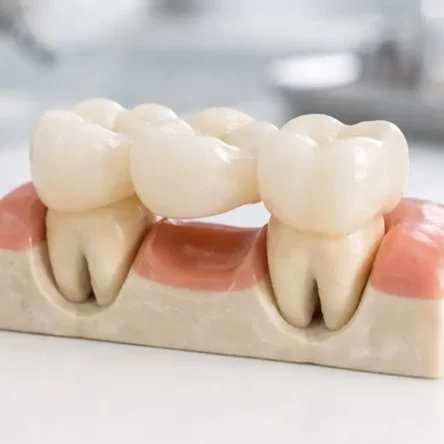
An inlay fits within the cusps of a back tooth, while an onlay can extend over one or more cusps. The dentist may recommend dental onlays in Spring, TX, when the affected area needs broader coverage. Selection depends on the amount of sound enamel, the size of the defect, and how biting pressure is distributed.
Planning damaged tooth repair involves reviewing decay, fractures, previous dental work, and the amount of sound structure that remains. X-rays may also be taken when needed to assess areas that cannot be fully evaluated during a visual examination.
When Partial Coverage May Make Sense
The amount of remaining tooth structure helps guide the type of repair. In selected back teeth, porcelain inlays can replace a larger area of lost structure while preserving sound cusps.
Depending on the extent of decay or fracture, an inlay or onlay may be an alternative to dental crowns when adequate healthy structure remains. Teeth with extensive breakdown, certain fracture patterns, or insufficient support may require a different approach. The final recommendation should be based on the condition of the individual tooth.
What Happens During Treatment
Before preparing the tooth, the dentist assesses the affected area and how the upper and lower teeth come together. With tooth restoration in Spring, TX care, treatment begins by removing decay or compromised material as needed and preparing the sound structure that remains. An impression or digital scan may then be used to design the custom piece.
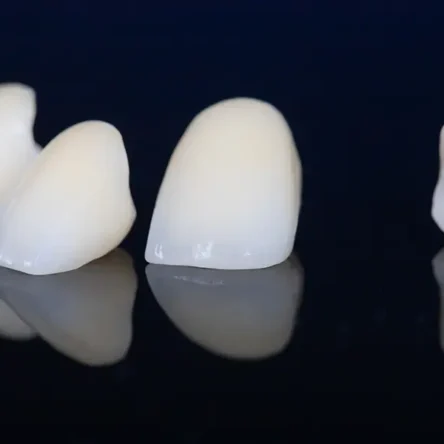
When indicated, porcelain restorations can replace lost structure and re-establish a stable chewing surface. Once the inlay or onlay is bonded or cemented in place, its fit and bite are checked and adjusted when necessary.
Preserving Healthy Enamel When Possible
A principle of minimally invasive dentistry is to preserve healthy enamel and dentin whenever the clinical condition allows. Inlays and onlays can support this approach because only the area requiring repair may need to be prepared rather than covering the full visible portion of the tooth.
For inlays and onlays in North Houston, patients first need a clinical evaluation of the affected area and remaining sound structure. Through [Restorative Dentistry in Spring, TX], the dentist can compare suitable options based on the extent of decay, fracture pattern, bite, previous dental work, and long-term needs.
FAQs About Inlays and Onlays
An inlay generally fits within the cusps of a back tooth. In comparison, dental onlays can cover one or more cusps when additional coverage is needed. The design depends on where the damage is located and how much sound structure remains.
It depends on the location and extent of the crack. When a fracture has weakened one or more cusps, cracked tooth treatment may involve an onlay if enough sound structure remains. Deeper or more complex cracks can require a different approach after clinical evaluation.
There is no fixed lifespan for every restoration. Longevity can vary with the material, bite forces, oral hygiene, diet, and condition of the remaining tooth. Routine dental exams allow the restoration and surrounding areas to be checked for wear, damage, or recurrent decay.
Yes. As part of restorative dentistry, an inlay or onlay may be chosen according to the extent of decay, fracture, and remaining sound enamel. A filling, partial-coverage restoration, crown, or another option may be recommended depending on the clinical findings.
Problems We Treat
-
 General Dental Concerns & Preventive Needs
-
Stained or Discolored Teeth
-
Multiple Missing or Damaged Teeth
-
Cavities & Minor Tooth Damage
-
Dental Injuries & Sudden Tooth Pain
-
Crooked Teeth & Bite Misalignment
-
Gum Infections & Advanced Periodontitis
-
Early Signs of Oral Cancer
-
Loose or Damaged Dentures
-
Minor Chips & Cracks in Teeth
-
Missing Teeth & Jawbone Loss
-
Gaps from Missing Teeth
-
Severe Dental Fear or Anxiety


Other Services