Tooth Extraction in Spring, TX: Evidence-Based Care
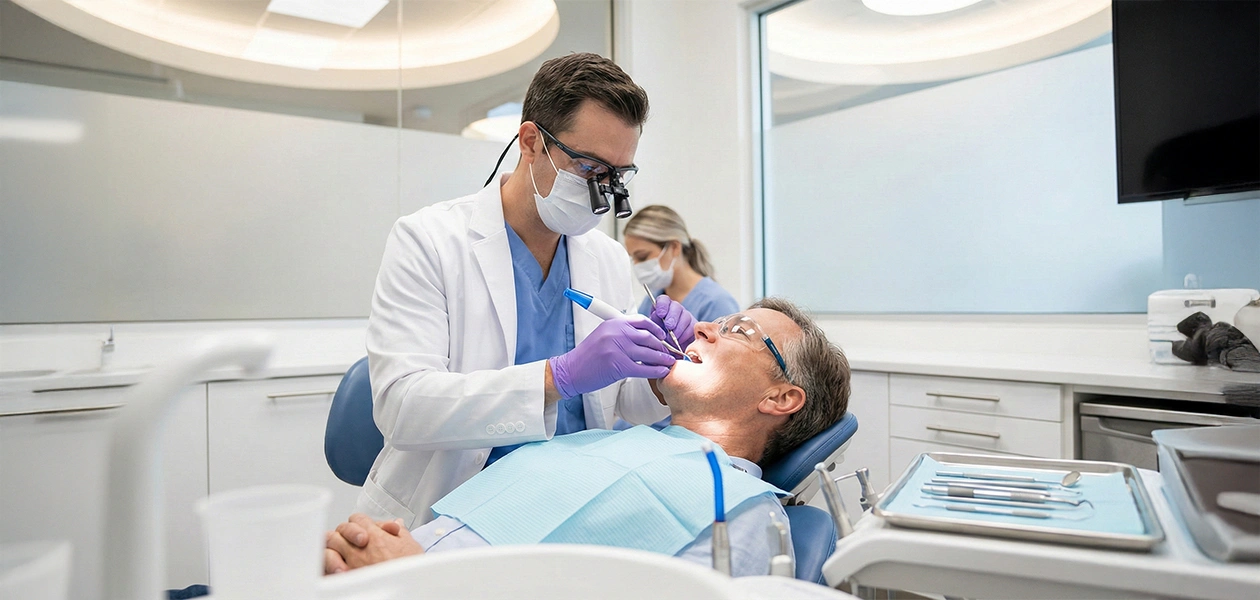
When a tooth is significantly compromised by decay, a deep fracture, or periodontal bone loss, a diagnostic assessment is the first step toward restoring oral health. At our dental office, the primary focus is to evaluate the structural integrity of the tooth and the health of the surrounding tissue. If an extraction is required, Dr. Siro Atheer, D.M.D. removes the tooth using techniques focused on preserving surrounding tissue, which supports healing and future restorative planning.
$149 Dental Visit Package
Now Only $69 for New Patients
Includes Necessary Exam & X-Rays
Book an Appointment
Fix Your Smile Today
When Removal Becomes the Safest Option
A primary goal of modern tooth removal is the management of the alveolar bone. The jawbone requires mechanical stimulation from the root to maintain its density and volume. When a tooth is removed, the area naturally begins a process of remodeling over time. By carefully loosening the tooth before removal, we aim to minimize disruption to the socket walls. For those seeking a tooth extraction in Spring, this focus on bone preservation is essential if you are considering future restorative options like dental implants or bridges.
What to Expect During the Evaluative Phase
The process begins with high-resolution imaging to assess the root morphology and its relationship to nearby anatomical structures, such as the maxillary sinus or nerve pathways. Once the site is reviewed, we check your history to identify any systemic factors that may influence healing. During tooth removal in Spring, TX, we follow a structured “time-out” safety protocol to confirm the treatment plan before proceeding. This structured planning is intended to support a stable initial recovery and reduce the likelihood of post-operative complications.
Patient Comfort and Monitored Sedation
We understand that many patients feel anxious about dental surgery. If you are experiencing symptoms that require an emergency, our team focuses on stabilizing the site while maintaining a professional and supportive environment. To assist with patient comfort, our practice offers monitored IV Sedation for appropriate cases. This specialized method allows patients to reach a state of deep relaxation during the procedure. Our dentist examines each patient’s health history to determine if sedation is a suitable component of their personalized care plan.
Preserving Bone and Planning Next Steps
Bone preservation is considered when future restorative treatment may be needed. Dentists remove the tooth in a manner that aims to protect the socket walls whenever possible. Our facility provides chairside services to the broader North Houston area, including those residing near Kuykendahl Road, Pinelake Blvd, or Eagle Bend Drive. Our proximity allows for convenient follow-up visits to monitor the progress of the healing tissue.
After removal, the dentist manages the site to support clot formation and initial healing. Instructions include guidance on pressure control, oral hygiene modifications, and activity limitations during early recovery.
Managing Comfort and Medical Considerations
If swelling, infection, or acute pain is present, patients may search for an emergency dentist in Spring. In urgent cases, the dentist evaluates the severity of symptoms, stabilizes the area, and determines whether extraction can proceed safely at that time.
Medication review is essential before treatment. Patients taking anticoagulants or managing chronic health conditions should not alter prescriptions without physician guidance. The dentist coordinates care when necessary to reduce bleeding risk and protect overall safety.
Post-operative discomfort is discussed realistically. Pain management plans are individualized based on medical suitability and current professional guidelines.
Frequently Asked Questions
Initial gum healing often improves within several days. Bone remodeling continues gradually over a longer period. The dentist will explain expected timelines based on the complexity of the extraction.
No. Many extractions are completed with local anesthesia alone. Sedation is evaluated individually based on anxiety level, medical history, and procedural complexity.
Persistent bleeding, increasing swelling, fever, or pain that worsens after initial improvement should be evaluated promptly by the dentist.
Soft foods are typically recommended during early healing. The dentist will provide guidance about chewing on the opposite side and gradually returning to normal function.
Replacement depends on tooth position, bite function, and long-term stability. The dentist evaluates whether an implant, a bridge, or other options are appropriate after healing.
Choosing a Local Provider for Follow-Up Care
Many individuals use a dentist near me search when experiencing dental pain. Proximity matters because healing requires monitoring. Follow-up visits allow the dentist to assess tissue response, identify delayed healing, and plan any restorative replacement if needed.
Patients also search for a dentist in Spring, TX, when comparing offices. Clinical communication, documented evaluation, and conservative planning should guide that decision.
Houston Cosmetic & Family Dental provides evaluation and extraction planning with a focus on careful assessment, sedation suitability when appropriate, and structured aftercare planning.
Problems We Treat
-
 General Dental Concerns & Preventive Needs
-
Stained or Discolored Teeth
-
Multiple Missing or Damaged Teeth
-
Cavities & Minor Tooth Damage
-
Dental Injuries & Sudden Tooth Pain
-
Crooked Teeth & Bite Misalignment
-
Gum Infections & Advanced Periodontitis
-
Early Signs of Oral Cancer
-
Loose or Damaged Dentures
-
Minor Chips & Cracks in Teeth
-
Missing Teeth & Jawbone Loss
-
Gaps from Missing Teeth
-
Severe Dental Fear or Anxiety


Other Services